
What's the Best Age to Learn Viola?
Answers to common questions about age, timing, and how to begin viola lessons

Rose Park
updated 10/11/25 • 4 min read

The Best Age to Learn Viola:
The best age to start viola lessons is usually between 8 and 10 years old. At this stage, most kids have the coordination and focus to hold the viola comfortably, use the bow with control, and begin reading music. Some younger beginners start around age 7 with the smallest viola size.
Teens and adults can jump into viola at any time and still learn tone, vibrato, and the pieces they want to play. In this guide, we’ll talk about the best time to begin viola lessons, what learning looks like at different ages, and how to make steady progress.
3 Things to Consider When Starting Viola
What makes beginning the viola feel comfortable and enjoyable?
Is there a quiet spot set aside for lessons and practice?
A simple routine and a comfortable practice space go a long way. Make sure there is a quiet, dedicated spot and a set practice time to help you stay focused. Many kids tend to practice viola after school, and short, consistent routines help them improve. Adults can learn well by choosing a small, regular practice window.

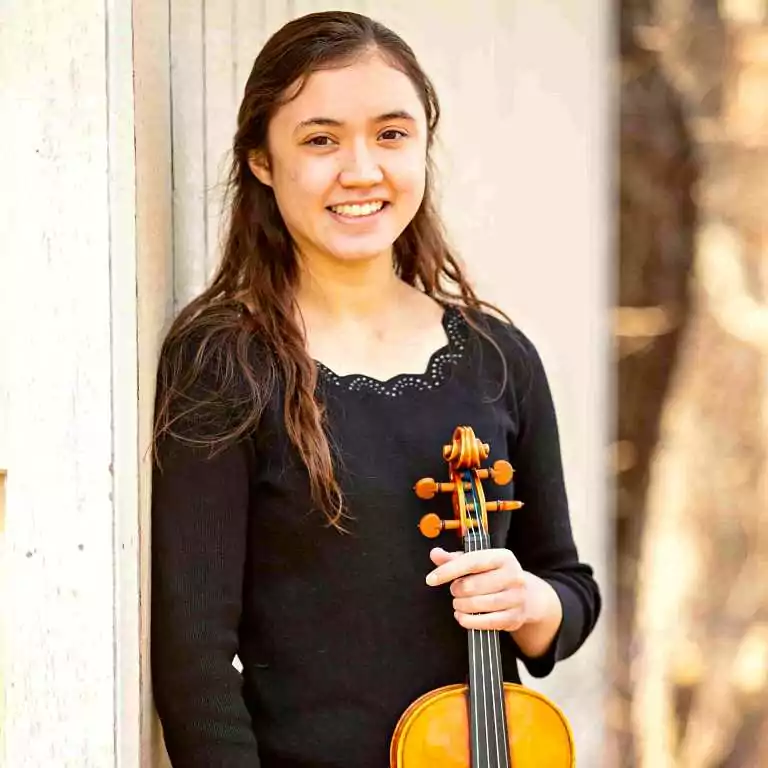
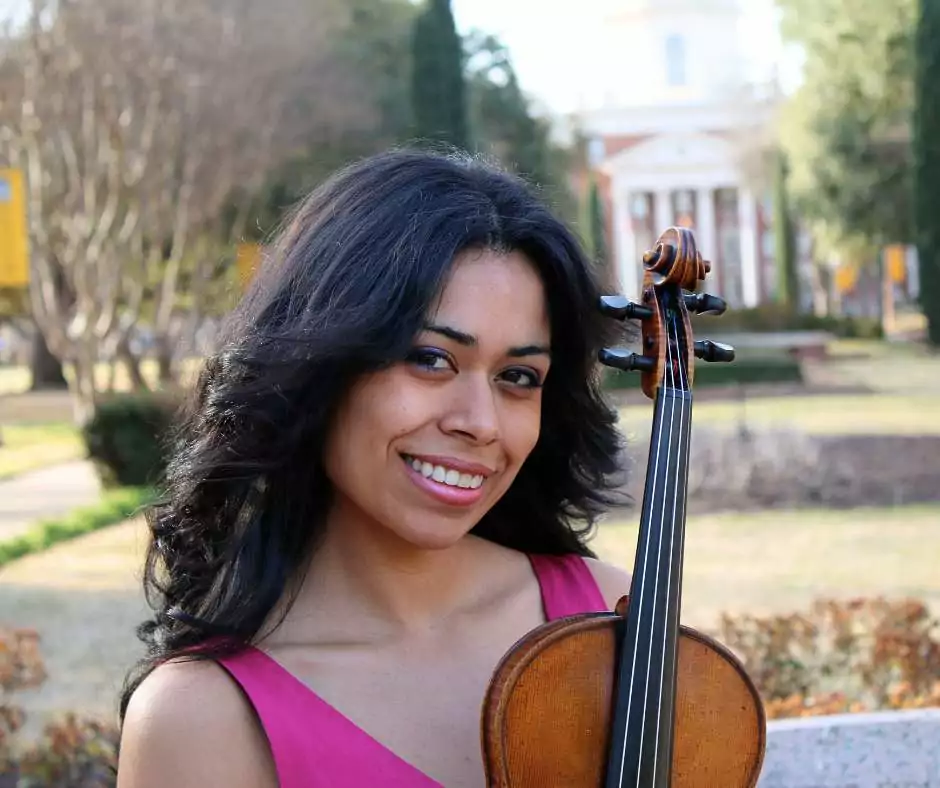
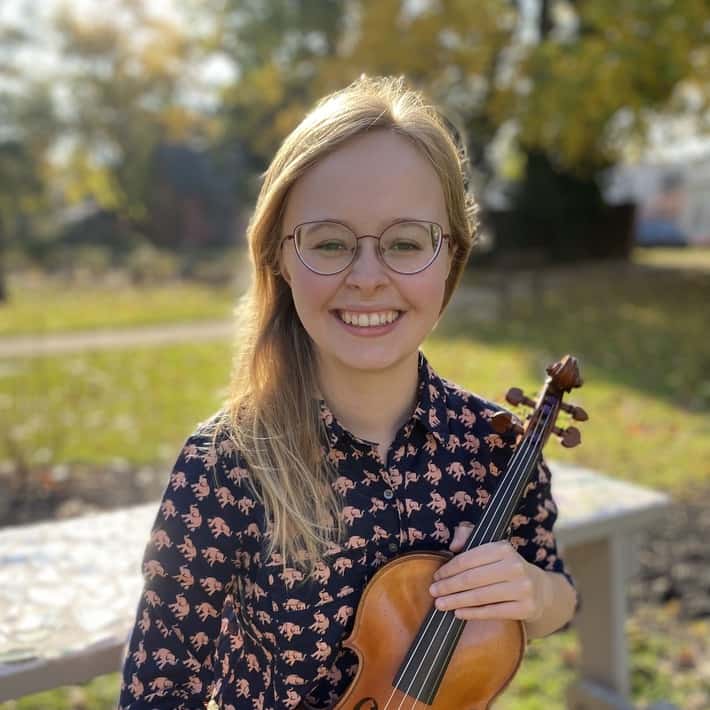
Try a Free 30 Minute Lesson with Viola Specialists
60+
Instructors
70,000+
Lessons taught
4.9/5 ⭐⭐⭐⭐⭐
Average lesson rating
Are regular viola lessons within your budget?
When Is My Child Ready to Start Viola Lessons?
Your child can hold the viola and bow steady
Your child can stay focused for at least 15 minutes
A typical viola lesson lasts about 30 minutes, and staying focused for at least half that time is key to learning. Your child will work on bowing smoothly, pressing the right strings, and listening carefully to their sound, all skills that need focus.
How Learning Viola Benefits Players at Different Ages
Learning the viola offers something meaningful at any age. For kids and teens, it becomes a creative outlet beyond schoolwork. Practice builds perseverance, focus, and the satisfaction of mastering new pieces. Unlike many activities, progress on the viola comes from steady effort and attention to detail, helping students grow more confident. Parents also enjoy seeing their child’s development and hearing music in the home.
For adults, playing the viola can ease stress and bring a real sense of accomplishment. It keeps the mind and hands active, improves coordination, and provides a rewarding break from daily routines.

Explore LWY music lessons
How Much Should Viola Lessons Cost?
On average, a one-hour viola lesson costs about $70 USD, according to viola lessons cost guide. Live online lessons can be $25–35 for 30 minutes for most cities, while in-person private ones often hit $40 for a half hour.
You might also spend extra on things like renting or buying a viola, picking up rosin, strings, or lesson books, and basic upkeep like occasional bow rehairing. Prices vary by location and teacher expertise, so it’s smart to ask about discounts for multiple lessons or group classes if you’re watching your budget.
5 Tips to Make Your Viola Lessons a Success
1. Take care of the viola
2. Keep the viola close by
If the viola is easy to reach, you or your child will be more likely to practice. Do not tuck it away in a basement. Keep it in a bedroom or study area instead. When the viola is nearby, it’s much easier to pick it up and play whenever there is a little time.
3. Join in musical activities
The viola gives students many chances to play and grow. After two years or so, students can join school orchestras, chamber groups, or local recitals. Encourage them to join in because playing with others is exciting, confidence building, and one of the best parts of learning the viola.
Adults have great opportunities too. Community and church orchestras, local ensembles, and casual string groups welcome players of all levels. Making music together adds energy and enjoyment to learning that keeps practice fun and motivating.
4. Find a good, steady practice routine
5. Talk about lesson experience
After a few weeks of lessons, ask your child how it’s going. Are they enjoying it and picking up bowing or notes? Ask if anything feels tricky, like holding the bow, and bring it up with their teacher. Look at their lesson notes and talk about their progress.
Adults can do the same by reviewing notes after each lesson or recording short practice clips to track improvement. Small check-ins help keep learning steady and rewarding.
How Long Does It Take to Learn Viola?
Start a Viola Journey at Lesson With You
What matters most is getting high quality viola instruction, whether the lesson is online or in person. At Lesson With You, all viola teachers hold advanced degrees in viola. You can learn from home without the need to travel or host a teacher.
The first trial lesson is FREE! No contracts ever.
Music Guides: Beginner to Advanced


Interested in a certain style?
Musical Theatre Singing Lessons | Classical singing Lessons | Rock singing Lessons | Country singing Lessons | Pop Singing Lessons
Classical Guitar Lessons | Acoustic Guitar Lessons | Jazz Guitar Lessons | Rock Guitar Lessons | Electric Guitar Lessons | R&B Guitar Lessons
Rose Park
Rose Park is a graduate of the Jacobs School of Music at Indiana University where she studied Piano Performance and Arts Administration, receiving both Bachelor's and Master's degrees before co-founding Lesson With You. As a pianist, Rose was a prizewinner in many international piano competitions and performed at various summer programs and festivals across the United States, Italy, and Japan.